
Putting Up a Fence: Materials, Property Lines and Permits
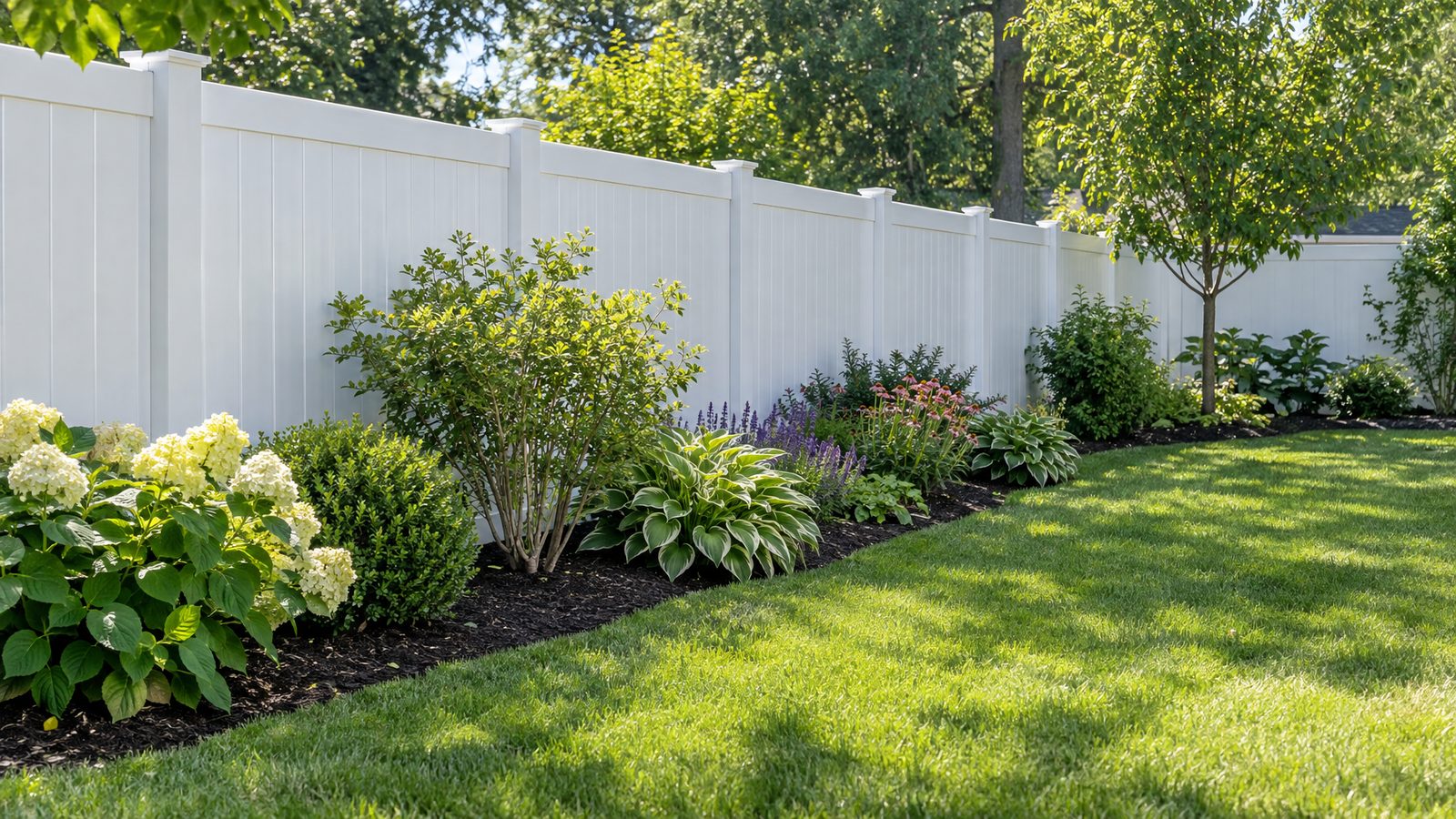
A fence looks like a simple project from the street, yet there is a fair amount to settle before a single post goes in. Where exactly does your land end? Will the neighbors mind? Does your town or homeowners association have a say?
Here is a plain walk through the choices, the paperwork and what a fence contractor usually does.
Why homeowners put up a fence
People fence a yard for many reasons. Some want privacy from the street or the house next door. Others want a place where a dog can roam or children can play outside without wandering off. A fence can also hide a utility area, frame a garden, or simply make the property look tidy and complete.
Knowing your main reason helps a contractor suggest the right material and style, because a fence built for privacy and one built to keep in a pet can look quite different.
Materials you will come across
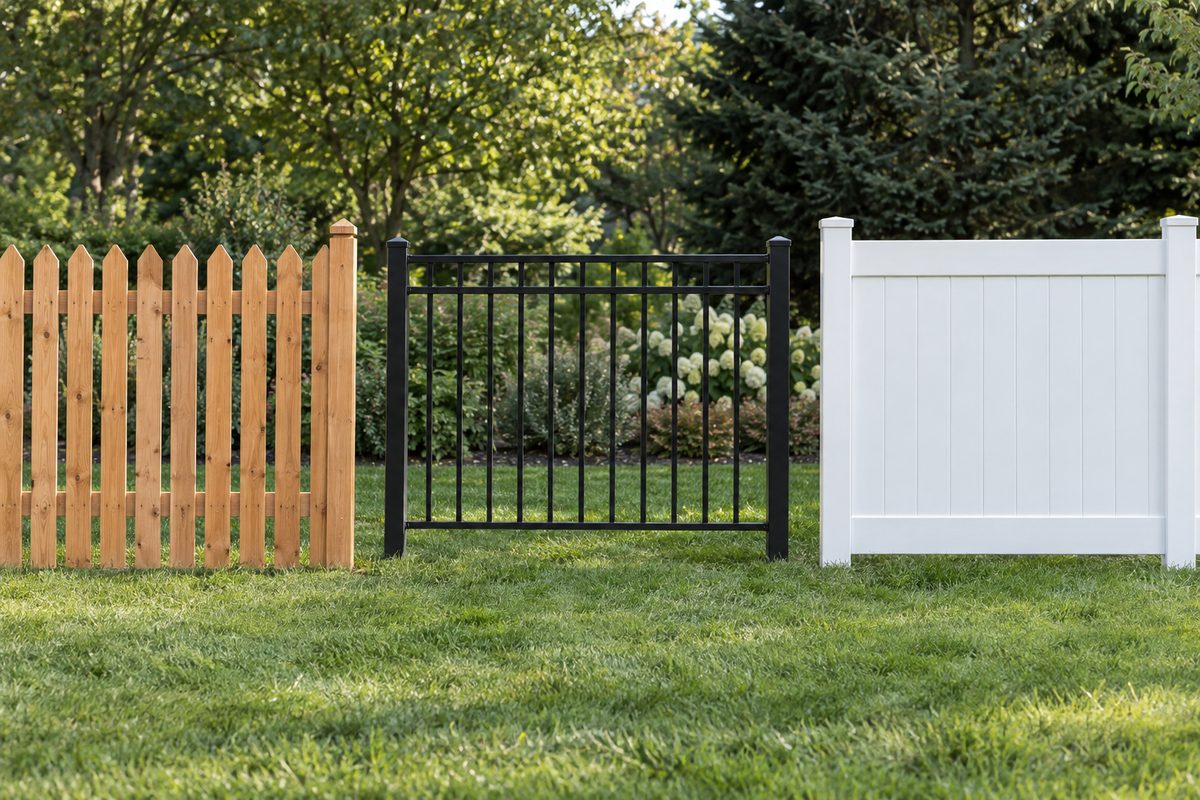
Wood is a traditional choice that can be stained or painted, and its look changes as it weathers. Vinyl is a plastic material, often white or tan, with a smooth, even finish. Aluminum is a light metal usually seen in ornamental designs with slim pickets. Chain link is a woven wire mesh stretched between metal posts, and it is often chosen where seeing through the fence is not a concern. Composite combines wood fibers and plastic in boards that resemble timber.
Each has its own appearance, upkeep and price range. Your climate, the look of the house, how you will use the yard and your budget all count. A contractor can explain how each material tends to behave in your area.
Styles
A privacy fence has boards or panels set close together so you cannot easily see through. A picket fence has spaced vertical boards, often with pointed or shaped tops, and is mostly about looks. A rail fence, sometimes called split rail or ranch style, uses horizontal rails between posts for an open, rural feel. Within each style there are many variations in top shape, spacing and color.
Where your property line is
Before any fence goes up, everyone involved needs to know where your land ends. A property survey, or the records kept for your lot, shows the boundary. If you don't have a survey or aren't sure what yours shows, a fence contractor or a licensed land surveyor can help you sort it out.
Guessing from where an old fence or a hedge stands can lead to disputes later, so it pays to confirm the line first.
Neighbors, HOA and permit rules
Rules about fences differ from place to place. Your town may require a permit, and it may have its own limits on how a fence is placed or how it looks. A homeowners association may have its own approval process and design rules. Your contractor or the local building department can tell you what applies to your property.
It is also courteous to talk to the neighbors before work starts, especially along a shared boundary. A friendly heads-up can head off a lot of friction.
Buried lines come first
Gas, power, water and communication lines often run under a yard. Before anyone digs a post hole, those lines must be located and marked. Your contractor normally arranges this as part of the job; ask them to confirm it has been done before digging begins.
The visit and the quote
A contractor will usually walk the planned fence line with you, look at the slope and the ground, note trees, beds and structures in the way, and ask about the material, style and gates you want. They may also ask to see your survey.
A written quote usually covers the length and layout of the fence, the material and style, the number and type of gates, removal of any old fence, permits, cleanup and a payment schedule. If you expected something that isn't there, ask before you sign.
How installation usually goes
Once the line is marked and buried utilities are flagged, the crew typically sets the posts first, then attaches rails and boards, panels or mesh, and finally hangs the gates and adds any caps or trim. How long it takes depends on the length of the fence, the material, the ground and the weather.
Keep children and pets indoors or well away while posts are being set and heavy materials are moved.
Gates
Think about where you need to get through: a walkway to the front, room for a lawn mower, or a wide opening for a trailer or vehicle. Gates can be single or double, and the hardware, latches and hinges vary. If the fence surrounds a pool, ask the contractor what applies to its gate where you live.
Questions to ask a contractor
- Are you licensed and insured for fence work where I live?
- How will we confirm the property line before you start?
- Who arranges the marking of buried utility lines?
- Who applies for any permit, and does my HOA need to sign off?
- Which material and style would you suggest for my reasons, and why?
- What happens if you hit rock or roots where a post needs to go?
- What written terms come with the fence and the installation?
This guide is general information, not professional advice. No two houses are alike, so ask a licensed professional to look at yours before you settle on any work.