
Choosing New Siding: What Each Material Brings
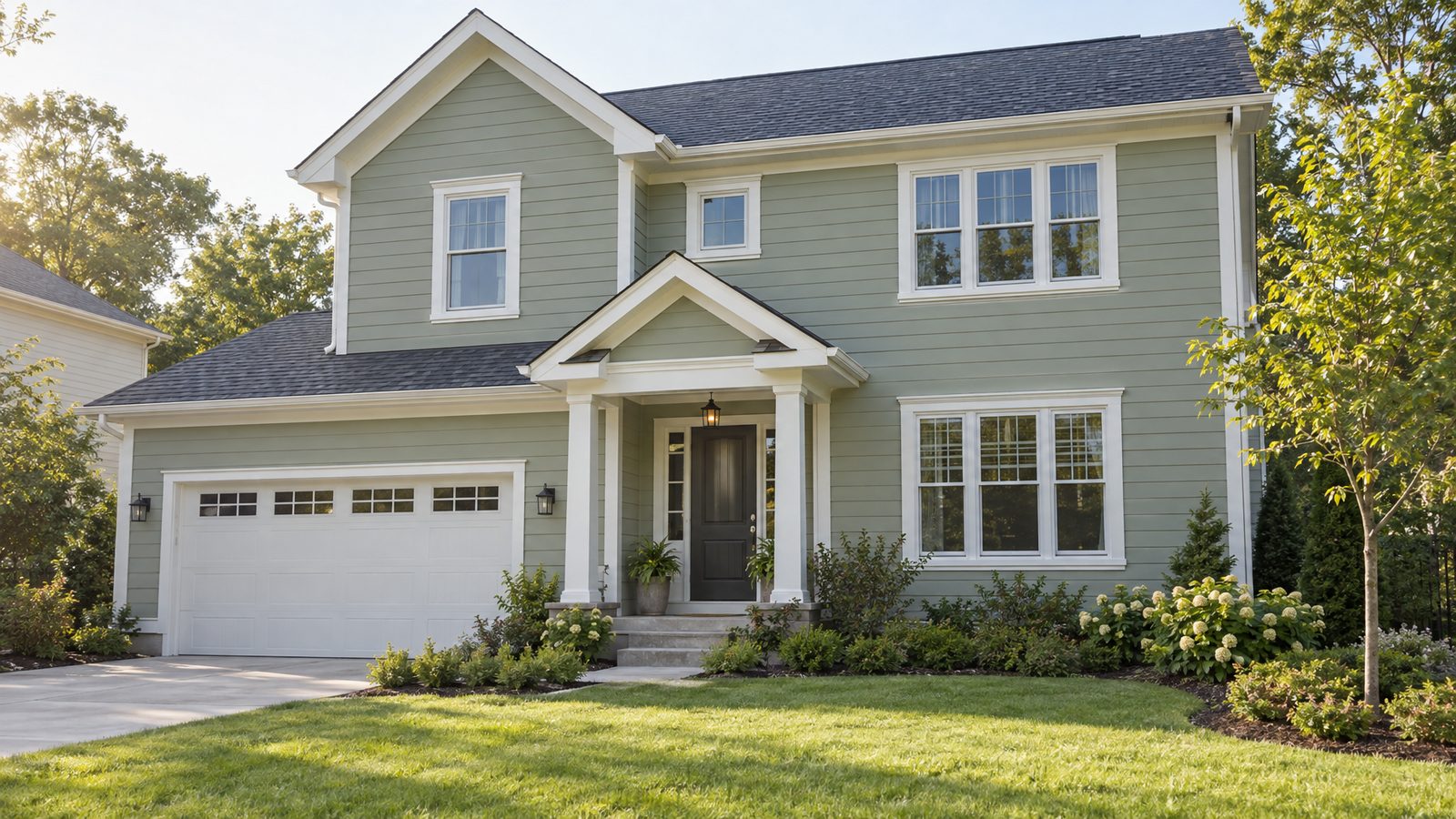
Siding is the coat a house wears. It sheds rain, shields the wall framing from sun and wind, and sets the tone for how the place reads from the sidewalk. Because it covers so much of the house, choosing a replacement is a big call.
Below: what to notice, how the materials differ, and what tends to happen once a contractor is involved.
What siding actually does
Behind the boards you see sits a layer called house wrap or a weather-resistive barrier, and behind that, the sheathing and studs. Siding is the first line, wrap is the backup. Together they keep water moving down and away instead of into the wall.
Siding also carries a lot of the look. Board width, texture, shadow lines and trim all change the character of a home, which is why two houses with the same shape can feel nothing alike.
Clues that siding is wearing thin
None of these alone means the siding has to go, but each is a good reason to have a pro take a closer look.
- Boards that warp, buckle or pull loose. Panels that ripple, bow outward or hang away from the wall can let weather behind them.
- Cracks, chips or holes. Hail, a stray ball or a mower kicking up gravel can leave openings in the surface.
- Paint that keeps failing. When fresh coats peel or blister soon after they go on, moisture may be working through from behind.
- Soft spots, mold or mildew. Dark patches, a musty smell indoors or areas that look swollen can point to water where it shouldn't be.
The main material families
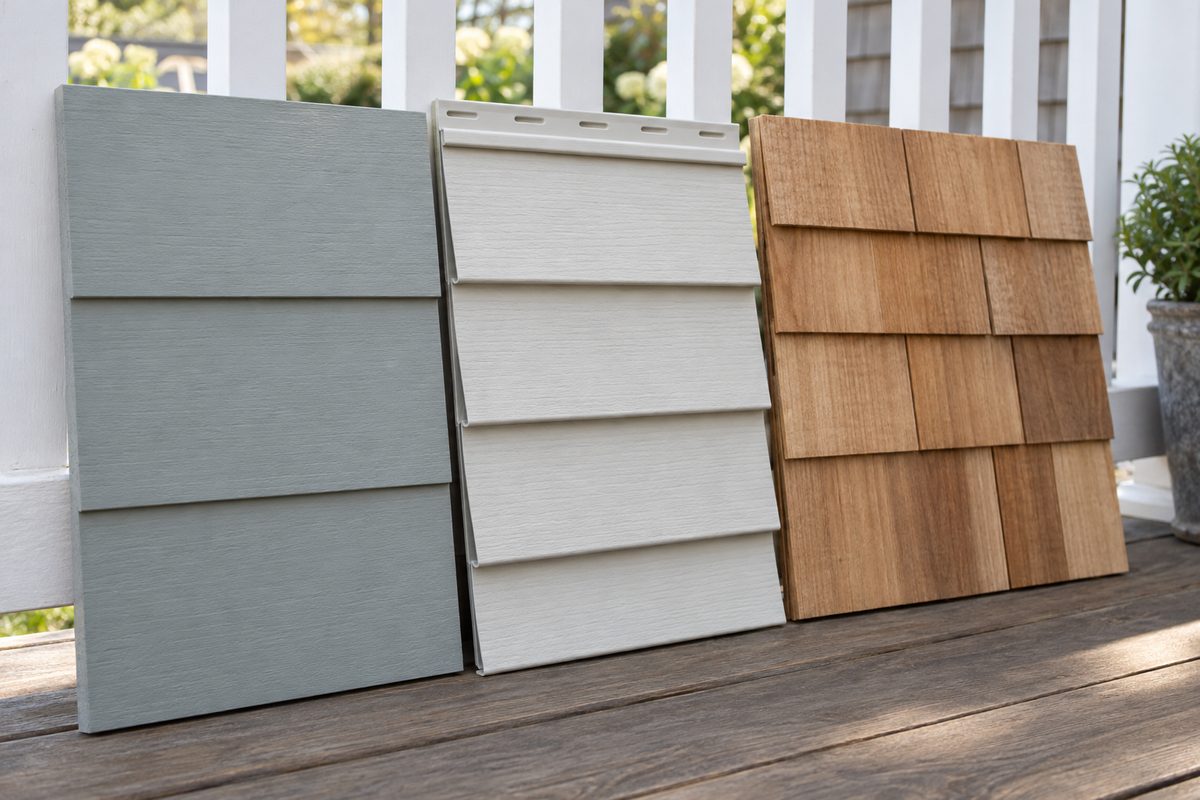
Vinyl. Made from PVC, it comes with its color baked through, so it is not painted. It is light, comes in many profiles and textures, and is common on homes across the country.
Fiber cement. A blend of cement, sand and wood fibers pressed into planks, panels or shingle shapes. It is heavier than vinyl and is usually sold either pre-finished at the factory or primed for painting on site.
Wood. Cedar and other species come as clapboard, board-and-batten or shingles. Many owners like the natural grain and the way it takes stain or paint. It asks for more ongoing care than some other choices, and a contractor can explain what that looks like where you live.
Engineered wood. Wood strands or fibers bound with resins and treated, then shaped to look like traditional boards. It usually arrives with a factory coating and can be painted later.
Metal. Steel and aluminum show up as horizontal lap, vertical panels or a modern flat look. Finishes range from plain colors to wood-grain prints.
The right pick for your house comes down to its style, your climate, how much upkeep you want and your budget. Ask a contractor how each one would behave on your walls.
Color and style choices
Beyond the material, you will pick a profile (lap, dutch lap, vertical, shakes or shingles), a texture (smooth or grained) and a color for both the siding and the trim.
Looking at real samples outdoors, in morning and afternoon light, gives a truer sense of a color than a screen or a small chip indoors. If your neighborhood has a homeowners association, check with it about any color or material limits before you commit.
What the contractor's visit and quote cover
Expect someone to walk around the house, measure each wall, look at the existing siding up close and ask what you want to change. They may also flag trim, soffit or fascia worth replacing at the same time.
A written quote usually names the material and its profile and color, whether the old siding comes off, the wrap or barrier to be installed, trim and corner work, how windows and doors will be flashed, hauling away of debris and the payment schedule. Ask about anything you expected but don't see listed.
How the job usually goes
On most jobs the crew begins by stripping the old cladding down to the sheathing. That is the moment any rotted boards or hidden damage come to light, and they get repaired before anything new goes up.
Next comes fresh wrap, plus flashing around windows, doors and other openings. Then the new siding is hung wall by wall, followed by corners, trim and any soffit or fascia work. Last comes a sweep of the yard for stray nails and hauling off the debris.
Ask in advance how the crew will handle a surprise like rotted sheathing and how any change in price gets agreed. Move cars, outdoor furniture and potted plants away from the walls, and keep kids and pets clear of the work zone. Siding work on upper stories calls for trained crews with proper fall protection.
Questions to ask a contractor
- Are you licensed and insured for siding work where I live?
- Will you remove the old siding, and how do you handle damage found underneath?
- What wrap and flashing do you plan to use around windows and doors?
- Does your own crew hang the siding, or do you bring in subcontractors?
- Who handles any permit the job needs?
- How do you protect landscaping, and how do you clean up each day?
- What written terms come with the material and with your labor?
This guide is general information, not professional advice. No two houses are alike, so ask a licensed professional to look at yours before you settle on any work.